
Creating a clean eating shopping list takes the guesswork out of healthy grocery trips. You walk into the store with a plan instead of wandering aimlessly through aisles. This organized approach saves time and helps you avoid impulse buys that don’t support your health goals.
Many people struggle with clean eating because they don’t know what to buy. They stand in the produce section feeling overwhelmed. Others grab items they think are healthy but don’t realize they’re packed with hidden sugars or artificial ingredients.
This comprehensive guide breaks down exactly what belongs in your cart. You’ll learn which fresh produce to prioritize, which proteins support your body best, and which pantry staples make meal prep easier. Plus, you get a printable clean eating shopping list to take with you on every grocery run.
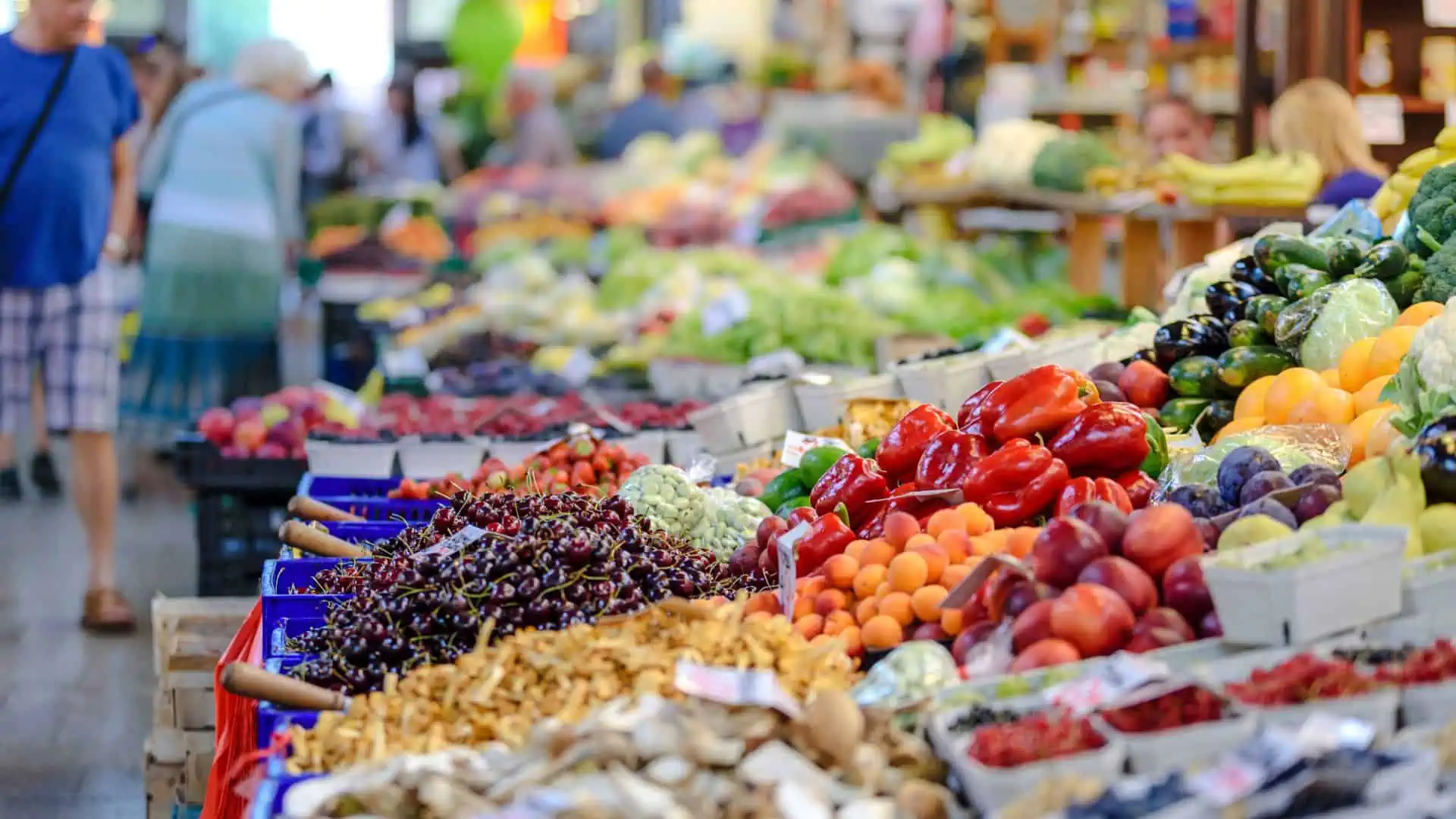
What Clean Eating Means for Your Grocery Cart
Clean eating focuses on whole, unprocessed foods your body recognizes and can use. You skip the middle aisles filled with boxed and packaged items. Instead, you fill your cart with foods that come from nature.
This approach means choosing an apple over apple-flavored candy. It means selecting plain Greek yogurt instead of sugary varieties with artificial flavors. The goal is simple: eat foods with ingredients you can pronounce and understand.
Real food doesn’t need a long ingredient list. A sweet potato is just a sweet potato. Wild-caught salmon contains only salmon. These simple choices reduce the chemicals and additives entering your body.
The benefits go beyond weight loss. Clean eating supports your immune system, improves digestion, and gives you steady energy throughout the day. Many people notice clearer skin, better sleep, and improved mood within weeks of switching to whole foods.
Fresh Produce: The Foundation of Your Clean Eating Shopping List
Vegetables and fruits should take up most space in your cart. They provide vitamins, minerals, fiber, and antioxidants your body needs to thrive.
Leafy Greens and Vegetables for Your Clean Eating Shopping List
Stock up on these nutrient-dense options every week:
- Spinach (fresh or frozen for smoothies)
- Kale (great raw in salads or blended)
- Romaine lettuce (crunchy and hydrating)
- Arugula (peppery flavor adds interest)
- Swiss chard (colorful and versatile)
- Broccoli (high in vitamin C and fiber)
- Cauliflower (perfect for rice substitutes)
- Brussels sprouts (roast them for sweet flavor)
- Bell peppers (all colors offer different nutrients)
- Zucchini (spiralize for noodles)
- Carrots (snack on raw or blend into soups)
- Cucumbers (hydrating and refreshing)
- Celery (adds crunch to everything)
- Green beans (quick side dish)
- Asparagus (seasonal favorite)
Frozen vegetables work perfectly for your healthy grocery list too. They’re picked at peak ripeness and flash-frozen. This process locks in nutrients. Buy organic when possible for the “Dirty Dozen” produce.
Fresh Fruits
Keep a variety of fruits for snacks and smoothies:
- Berries (blueberries, strawberries, raspberries, blackberries)
- Bananas (great for smoothies and natural sweetness)
- Apples (portable and satisfying)
- Pears (high in fiber)
- Citrus fruits (oranges, grapefruits, lemons, limes)
- Avocados (yes, they’re fruits and packed with healthy fats)
- Melons (watermelon, cantaloupe, honeydew)
- Grapes (freeze for a cool treat)
- Pineapple (anti-inflammatory properties)
- Mango (vitamin A powerhouse)
Frozen fruits belong on your shopping list for clean eating too. They make smoothies cold and creamy without ice. Frozen smoothie packs save even more time during busy mornings.
Protein Sources That Support Clean Eating
Your body needs protein to build muscle, repair tissue, and stay satisfied between meals. Choose high-quality sources without added hormones or antibiotics.
Animal Proteins
Select these options when shopping:
- Wild-caught salmon (omega-3 fatty acids reduce inflammation)
- Free-range chicken breasts (lean and versatile)
- Grass-fed beef (higher in nutrients than conventional)
- Pasture-raised eggs (perfect for breakfast or snacks)
- Turkey (ground or whole)
- Wild-caught tuna (canned in water works great)
- Cod or halibut (mild white fish)
- Shrimp (quick-cooking protein)
Look for labels that say “organic,” “grass-fed,” or “pasture-raised.” These animals ate natural diets and lived in better conditions. The quality shows up in the nutrition profile.
Plant-Based Proteins
Add these protein sources to your clean eating food list:
- Chickpeas (make hummus or roast for snacks)
- Black beans (fiber and protein combined)
- Lentils (cook quickly and add to soups)
- Quinoa (complete protein with all amino acids)
- Hemp seeds (superfood ingredient packed with protein)
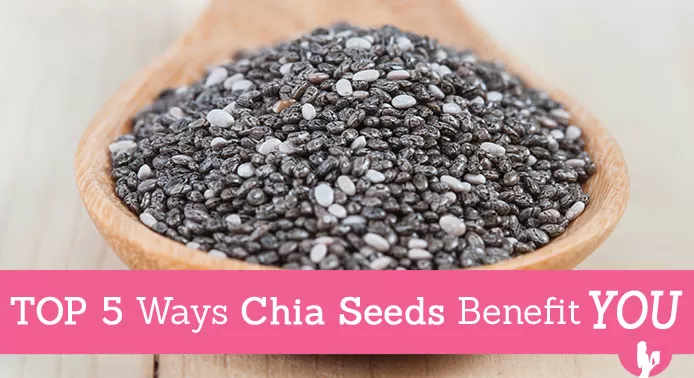
- Chia seeds (multiple health benefits in tiny seeds)
- Tempeh (fermented soy with probiotics)
- Edamame (young soybeans)
These options work whether you eat meat or follow a plant-based approach. Mix and match based on your preferences and what your body needs.
Healthy Fats and Oils for Your List
Fats got a bad reputation for years. Now we know certain fats actually support your health. Healthy fats reduce inflammation and help your body absorb vitamins.
Include these options:
- Extra virgin olive oil (for salads and low-heat cooking)
- Avocado oil (high smoke point for cooking)
- Coconut oil (great for baking and high-heat cooking)
- Raw nuts (almonds, walnuts, pecans, cashews)
- Raw seeds (pumpkin, sunflower, flax, hemp)
- Nut butters (almond, cashew, sunflower seed)
- Tahini (sesame seed butter)
- Olives (whole or for snacking)
Skip vegetable oils like canola, corn, and soybean oil. These highly processed oils create inflammation in your body. Stick with fats from whole food sources instead.
Pantry Staples for Easy Meal Prep
A well-stocked pantry makes healthy eating effortless. You can throw together nutritious meals without extra trips to the store.
Building Your Clean Eating Shopping List with Grains
Choose whole grain options:
- Brown rice (short or long grain)
- Quinoa (technically a seed but used like a grain)
- Oats (steel-cut or rolled)
- Sweet potatoes (versatile and naturally sweet)
- White potatoes (actually nutritious when prepared well)
- Whole grain pasta (look for simple ingredient lists)
- Rice cakes (plain varieties only)
Read labels carefully. Many “whole wheat” products contain refined flour and added sugars. The ingredient list should be short and simple.
Canned and Jarred Goods
Stock these convenient options:
- Canned beans (rinse well to remove excess sodium)
- Canned tomatoes (crushed, diced, or sauce)
- Coconut milk (full-fat for cooking)
- Vegetable broth (low-sodium)
- Chicken broth (organic, low-sodium)
- Tomato paste (adds depth to sauces)
- Olives (in water or brine)
- Artichoke hearts (in water)
Check for BPA-free cans. Look for products with minimal ingredients. Canned beans should list beans, water, and maybe salt. That’s it.
Spices and Seasonings
Flavor your food naturally:
- Sea salt (unrefined contains minerals)
- Black pepper (fresh ground tastes best)
- Garlic powder (convenience for busy nights)
- Onion powder (adds savory depth)
- Cumin (earthy and warm)
- Paprika (sweet or smoked)
- Turmeric (anti-inflammatory superstar)
- Cinnamon (balances blood sugar)
- Italian seasoning (herb blend)
- Cayenne pepper (metabolism boost)
- Fresh herbs (basil, cilantro, parsley, mint)
Dried herbs and spices last for months. They transform simple ingredients into delicious meals. Skip pre-made seasoning mixes that contain MSG or added sugars.
Smart Swaps to Upgrade Your Shopping List for Clean Eating
Making simple switches improves your cart without feeling restrictive. These swaps taste great and nourish your body better.
Replace This With That
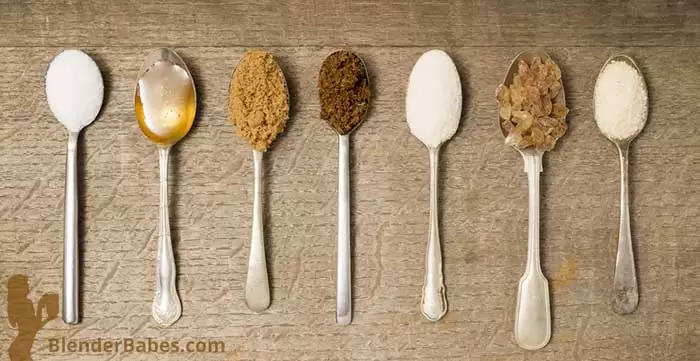
Traditional white sugar causes blood sugar spikes and crashes. Natural sweeteners work better in your body. Try raw honey, pure maple syrup, or dates instead.
Swap regular milk for unsweetened almond milk or coconut milk. These alternatives don’t contain added hormones or antibiotics. Many people digest them easier too.
Choose sprouted grain bread over regular whole wheat. The sprouting process makes nutrients more available. Your body absorbs them better.
Trade flavored yogurt for plain Greek yogurt. Add your own fresh fruit for sweetness. This cuts out 20-30 grams of added sugar per serving.
Pick natural nut butters with one ingredient: nuts. Regular peanut butter often contains sugar and hydrogenated oils. Read labels and choose simple versions.
Family-Friendly Modifications
Kids might resist some changes at first. Sneaking vegetables into familiar foods helps transition them to cleaner eating. Blend spinach into smoothies or puree cauliflower into mac and cheese.
Buy plain versions of foods your family loves. Plain popcorn kernels beat microwave bags full of chemicals. Air pop them and add your own real butter and sea salt.
Keep frozen fruit popsicles on hand instead of sugary treats. Blend fruit with coconut water and freeze in molds. Kids love them just as much as store-bought versions.
How to Shop Smart and Stay on Budget
Clean eating doesn’t require spending your entire paycheck. Strategic shopping keeps costs down while quality stays high.
Shopping like a health pro starts with planning. Make your clean eating shopping list before you go. Stick to it in the store. This prevents expensive impulse purchases.
Shop the perimeter of the store first. Fresh produce, meat, and dairy live on the outer edges. The middle aisles contain most processed foods. Fill your cart before heading into those sections.
Buy seasonal produce when possible. In-season fruits and vegetables cost less and taste better. Farmers markets often offer competitive prices and fresher options.
Choose frozen over fresh for some items. Frozen berries cost less than fresh year-round. The nutrition stays the same. Frozen vegetables work perfectly for soups and cooked dishes.
Buy in bulk for pantry staples. Rice, quinoa, oats, nuts, and seeds cost less per pound in bulk bins. Store them properly in airtight containers.
Prioritize Your Organic Purchases
Buying everything organic gets expensive fast. Focus your budget on produce that matters most.
The Environmental Working Group publishes the “Dirty Dozen” list annually. These fruits and vegetables contain the most pesticide residue. Buy these organic:
- Strawberries
- Spinach
- Kale
- Nectarines
- Apples
- Grapes
- Peaches
- Cherries
- Pears
- Tomatoes
- Celery
- Potatoes
The “Clean Fifteen” have lower pesticide levels. Save money by buying conventional versions of these:
- Avocados
- Sweet corn
- Pineapple
- Onions
- Papaya
- Sweet peas
- Eggplant
- Asparagus
- Broccoli
- Cabbage
- Kiwi
- Cauliflower
- Mushrooms
- Honeydew
- Cantaloupe
Conventional meat and dairy contain hormones and antibiotics. These affect your hormones too. Prioritize organic or grass-fed options for animal products when budget allows.
Meal Prep Ideas Using Your Whole Foods Shopping List
Having ingredients means nothing if you don’t use them. Simple prep strategies ensure your healthy foods get eaten.
Wash and chop vegetables right after shopping. Store them in clear containers at eye level in your fridge. You’ll grab them for snacks and cooking throughout the week.
Cook a big batch of grains on Sunday. Brown rice, quinoa, and oats cook once and provide bases for multiple meals. Store cooked grains in the fridge for up to five days.
Hard boil a dozen eggs at once. They become quick protein for breakfasts, snacks, or salads. Eggs stay fresh in the shell for one week in the refrigerator.
Prepare smoothie bags for busy mornings. Portion greens and frozen fruit into bags. Grab one, dump it in your blender, add liquid, and blend. You’re done in three minutes.
Roast a pan of vegetables while cooking dinner. Toss broccoli, Brussels sprouts, or cauliflower with olive oil and sea salt. Roast at 425°F for 20-25 minutes. These vegetables add nutrition to lunches all week.
Building Your Routine Around Clean Eating
A shopping list only works when you use it consistently. Building a routine makes healthy eating automatic instead of overwhelming.
Staying healthy during busy times requires preparation. Shop on the same day each week. Most people choose Sunday for meal prep. Find what works with your schedule and stick to it.
Plan your meals before shopping. You don’t need fancy meal plans. Write down seven dinners you want to make. List the ingredients. Add breakfast and lunch basics. That’s your shopping list.
Keep your clean eating shopping list simple at first. Don’t try to overhaul everything overnight. Start with breakfast. Get that solid for two weeks. Then improve lunches. Finally work on dinners.
The 21-Day Clean Eating Program provides complete meal plans and shopping lists if you want more structure. It takes the guessing out of what to buy and how to prepare it.
Some weeks you’ll nail it. Other weeks you’ll order pizza. That’s normal and completely okay. Clean eating isn’t about perfection. It’s about making better choices most of the time.
Sample Clean Eating Shopping List for One Week
This whole foods shopping list shows what a typical weekly trip looks like:
Produce Section:
- 2 containers spinach
- 1 head kale
- 1 head romaine lettuce
- 2 bell peppers
- 1 bunch broccoli
- 1 cauliflower head
- 3 zucchini
- 5 carrots
- 3 cucumbers
- 2 sweet potatoes
- 3 avocados
- 2 containers berries
- 4 bananas
- 2 apples
- 1 lemon
- 1 lime
Protein:
- 2 pounds wild-caught salmon
- 1.5 pounds chicken breast
- 1 dozen pasture-raised eggs
- 1 can chickpeas
- 1 can black beans
Dairy Alternatives:
- 1 carton unsweetened almond milk
- 1 container plain Greek yogurt (if tolerated)
Pantry:
- 1 bag brown rice
- 1 container oats
- 1 jar almond butter
- 1 bottle olive oil
- Raw almonds
- Raw walnuts
Freezer:
- 1 bag frozen berries
- 1 bag frozen broccoli
This list feeds one person for a week with leftovers. Adjust quantities based on your family size and appetite.
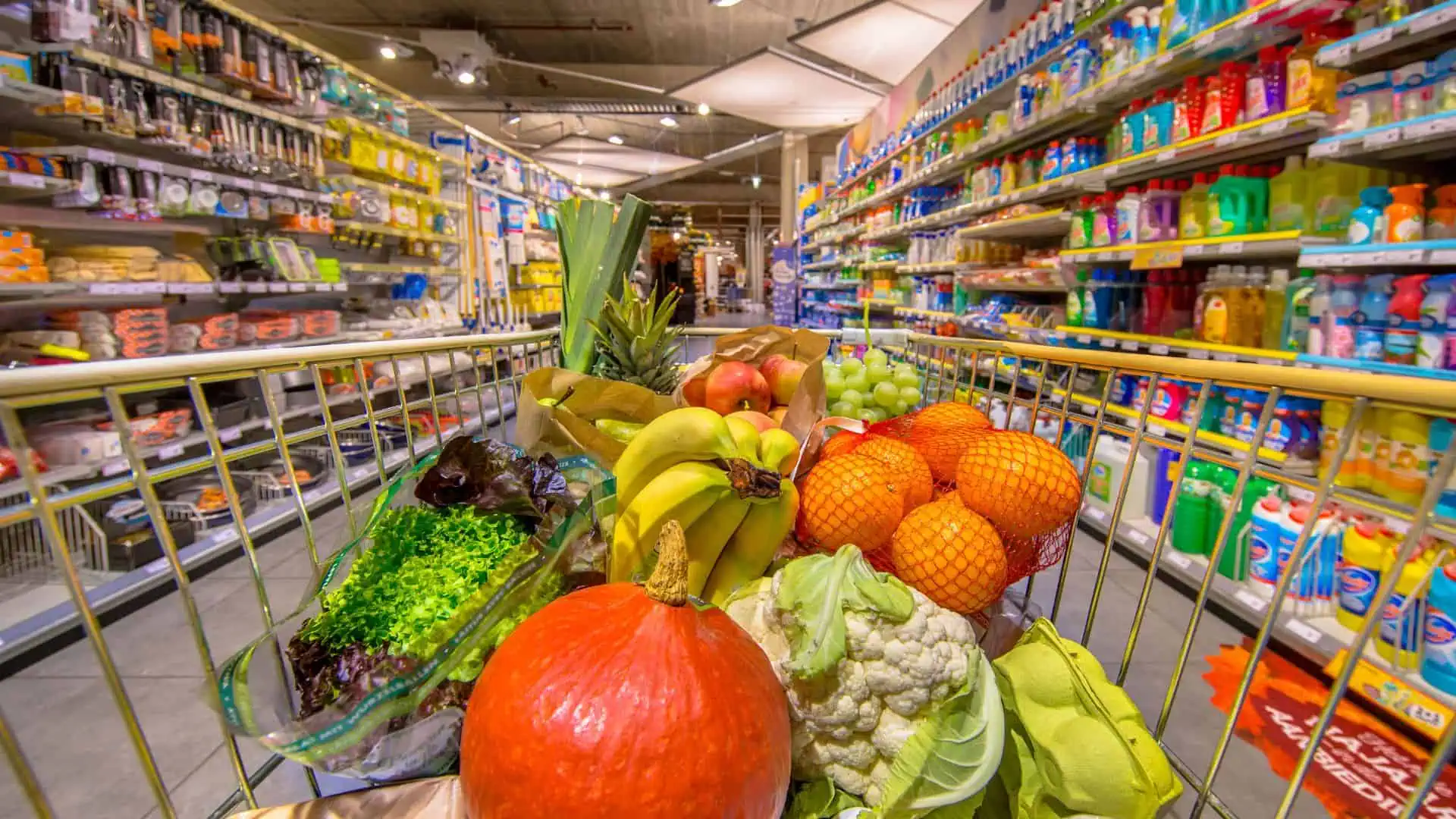
Turn This List into Real Change
Your clean eating shopping list is just the beginning. The real transformation happens when you consistently choose whole foods over processed ones.
Start small if this feels overwhelming. Pick five items from this list to add this week. Master those. Add five more next week. Progress beats perfection every single time.
Need more support on your journey? The 7-Day Blender Cleanse includes complete shopping lists and meal plans. It’s designed to reset your body and jumpstart healthy habits.
Looking for recipes to use all these ingredients? The Blender Babes Recipe eBook Bundle gives you hundreds of ideas. You’ll never get bored with the same meals on repeat.
Working through emotional eating or finding it hard to stick with changes? Personal coaching addresses the root causes. Sometimes we need more than a shopping list. We need to heal our relationship with food.
Your body deserves real food that nourishes it. Your mind deserves freedom from obsessing over what you can and can’t eat. Clean eating provides both when you approach it with balance and self-compassion.
Print this guide. Take it shopping. Fill your cart with foods that make you feel amazing. That’s the whole point of having a clean eating grocery guide in the first place.