

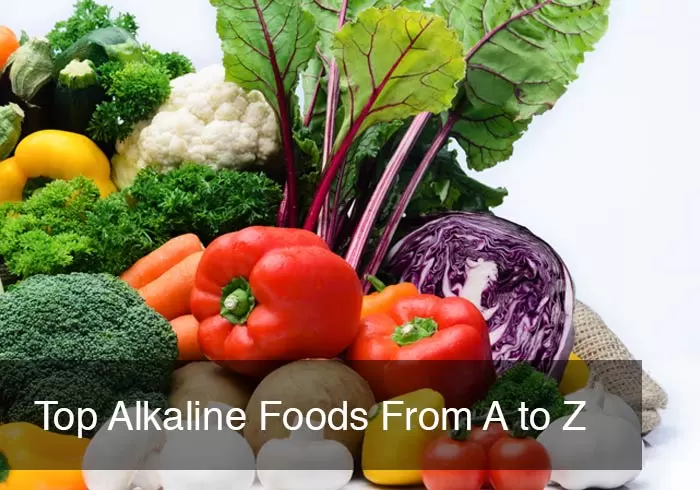
Why is your pH level important?
If you’ve ever experienced health issues with your digestive, circulatory, respiratory, skeletal, integumentary, nervous, excretory, muscular, reproductive or immune systems, your pH level might be the culprit.
PH level is a measure of hydrogen ion concentration in the body. It is measured on a scale ranging from 1 to 14, 7 being considered neutral. The body’s optimal pH level is slightly alkaline at 7.30-7.45. A reading less than 7 is considered acidic and greater than 7 is basic or alkaline.
An acidic pH is associated with a wide range of illnesses. Unfortunately, most people are too acidic, therefore an alkaline diet is important to reach our ideal pH of 7.30-7.45. It’s important to maintain a balanced pH in order to bring the body back to vitality.
This List of Alkaline Foods will Help You Maintain a
Healthy Diet and a Balanced System
1. Almonds & Almond Milk
 Almonds consistently rank high among the healthiest foods you can eat, so it’s no surprise they’re also an alkaline food. They have been linked with increased muscle gain, lowering blood cholesterol levels, as well as fat loss.
You don’t have to consume a lot of almonds to enjoy their benefits! Just a small handful per day will do. They also make an excellent on-the-go snack that you can take anywhere. Almonds are 27% calcium, 25% iron and 44% protein per 100 grams. Blender Babes recommends RAW almonds to maximize health benefits.
2. Amaranth
 Amaranth is a grain that many people aren’t yet familiar with. It makes a fantastic addition to any alkaline-focused diet program because of it’s high concentration of protein, vitamins and minerals. Amaranth has 16% calcium, 42% iron and 14% protein per 100 grams.
It can be prepared roasted, popped, boiled or added to other dishes, making it a wildly versatile grain.
3. Artichokes
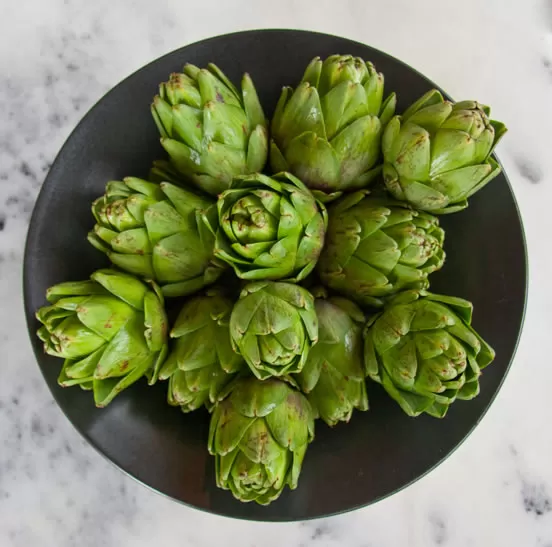 Artichokes are frequently used to top salads and in dips, but there are many reasons to bring these green powerhouses to the forefront of your diet.
Aside from their alkalinity, they’re also loaded with antioxidants, helping to purify the liver and aid in digestive health. Artichokes produce 20% vitamin C, 12% vitamin K and 17% folate per 100 grams.
To prepare, boil until tender and season with salt, pepper and a squeeze of lemon for a nutrient-packed appetizer.
4. Arugula
 Here’s a leafy green that’s well worth getting acquainted with! Arugula is frequently included in detox diet plans, specifically for it’s robust vitamin A and calcium content.
Many people associate dairy products with calcium, but this is a great non-dairy alternative to ensure you’re getting your recommended intake. Arugula provides 16% calcium, 47% vitamin A and 8% iron per 100 grams..
Don’t forget to add arugula to your shopping cart next time you are in the market!
5. Asparagus
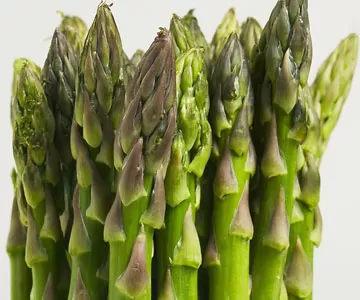 Asparagus is one of the strongest alkaline-promoting foods you can eat. In terms of alkalinity, asparagus is one of the “big dogs”.
It’s also packed with antioxidants, nutrients and countless detoxifying properties. Asparagus has 15% vitamin A, 9% vitamin C and 12% iron per 100 grams.
It’s even been noted that asparagus has anti-aging benefits. This is reason enough for many people to start incorporating more of this incredible vegetable into their menu.
6. Avocado & Avocado Oil
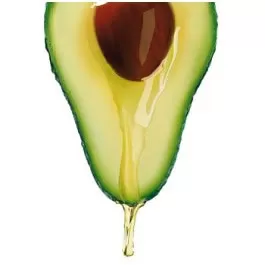 It’s no big surprise that avocado is on the list of top alkaline foods. It’s also atop our list of super foods, so you know it’s packing a nutritional punch.
Avocados are rich in potassium as well as heart-healthy fats, and provide 17% vitamin C, 3% vitamin A and 27% fiber per 100 grams.
You can even use avocado oil in favor of other oils such as vegetable oil and olive oil.
7. Basil
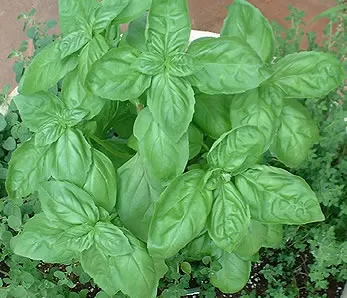 You may not realize that herbs and spice have an effect on pH level, but as it turns out, some spices boast more benefits than others.
Basil is one of the most beneficial herbs for an alkaline pH, plus it has flavonoids that help the body heal. Basil produces 175% vitamin A, 345% vitamin K and 18% calcium per 100 grams.
8. Beetroot
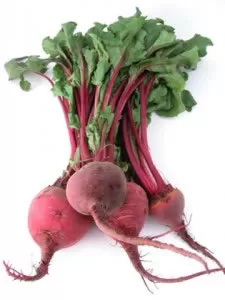 Beetroot is getting more attention now than ever, and it’s among the top foods to boost pH levels. Beets are an essential vegetable arsenal is because it’s one of the only sources of the phytonutrient betalain which could have anti-cancer properties.
Beetroot has 8% vitamin C, 11% vitamin K and 75% folate (per 100 g). Add beetroot as a side, or add them as a salad topper.
Be sure to buy fresh and steam it, as the pickled variety has reduced nutritional value.
9. Broccoli
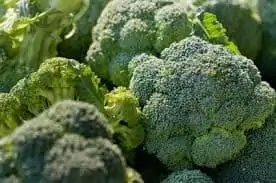 This is a quintessential healthy food and it’s obvious to see that it’s an alkaline food.
Broccoli is among those vegetables that has so much going on you just have to make the extra effort to get more of it into your system. Per 100 g, broccoli contains 135% vitamin C, 11% vitamin A and 4% calcium.
Some people eat broccoli daily as a way to maintain good health. You want to at least eat it several times a week, with 3 or 4 times being a good rule of thumb.
10. Brussels Sprouts
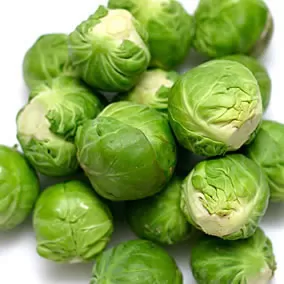 You may have left your Brussels sprouts on your plate untouched as a kid, but it’s time to get past it and learn to enjoy these healthy vegetables.
They have been shown to have the ability to help the body break down the acids caused by acid-forming foods, which in turn boosts your pH levels helping you get to or maintain an alkaline state.
Additionally, they’re also loaded with vitamins, minerals and fiber, making a great side dish to any meal. Brussels sprouts have 142% vitamin C, 15% vitamin A and 8% iron per 100 grams. It’s always best to buy Brussels sprouts fresh and steam them.
11. Buckwheat
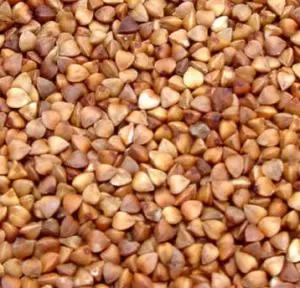 Buckwheat gets mentioned a great deal in health food circles since it doesn’t contain wheat, but it provides a similar texture when it’s in noodle form. Ideal for gluten-free followers!
It’s also an alkaline food, allowing you to eat it without worrying if it is going to be acidic in your body. Additionally, it’s a surprisingly good source of protein and contains a good amount of iron. Per 100 g, buckwheat provides 12% iron, 2% calcium and 13.3 g protein.
If you’ve not used buckwheat in your cooking before, there are lots of recipes out there to get your feet wet.
12. Cabbage
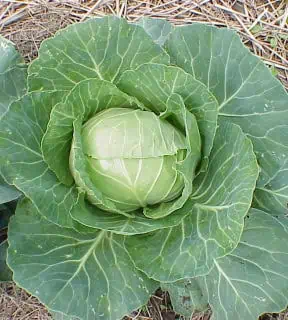 If you’re not thrilled about the the taste of cabbage, try to keep an open mind. Maybe you just haven’t found the right recipe for it.
It’s very easy to cook cabbage improperly, so give it another try if it’s currently on your personal Do Not Eat list. Along with its alkalinity, it has also been found to be very effective in preventing, as well as reversing certain cancers. Add the high fiber content and the low caloric load, and cabbage is a winner for nearly every diet out there.
Cabbage contains 54% vitamin C, 3% vitamin A and 5% calcium per 100 g.
13. Carrots
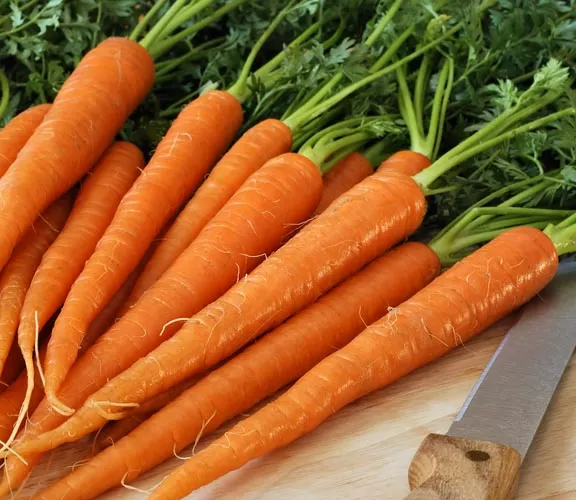 Carrots are great for your eyes, but their overall effect is also alkaline. This makes them twice as good for you to eat, they’re tasty both raw as well as steamed so they’re easier to chew on.
Besides the assist to your eyes, carrots also provide plenty of vitamins, fiber and potassium, making them an incredibly well-rounded veggie. Per 100 g, carrots have 336% vitamin A, 10% vitamin C and 3% calcium. So make sure to get your carrot fix once in a while.
14. Cauliflower
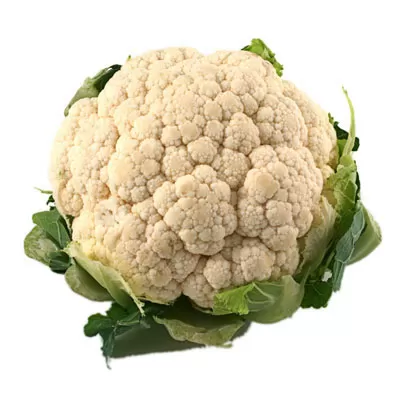 Cauliflower is part of the same vegetable family as broccoli and Brussels sprouts, it shares most of the same healthy characteristics, along with being an alkaline food.
It provides a good amount of fiber and it’s an excellent non-fruit supply of vitamin C. Cauliflower contains 77% vitamin C, 2% calcium and 2% iron per 100 g. It’s also incredibly easy to prepare, but to hold as much of its alkaline nature as possible, eat it raw on salads or steam it until it’s tender and easy to eat.
15. Celery
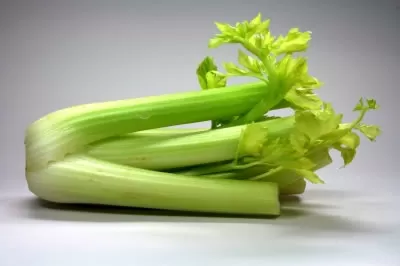 You have to love celery, even if you don’t actually love its taste. In addition to being an alkaline food it’s also very low in calories and can help your body with a variety of different benefits.
If you’re not big on crunching it up and getting the strands stuck in your teeth, pulverize it in your high powered blender while you’re making a green smoothie. Per 100 g, celery provides 4% vitamin A, 2% vitamin C and 2% calcium. It also works well in a fruit smoothie, adding a little bit of spiciness without overshadowing the fruit flavors.
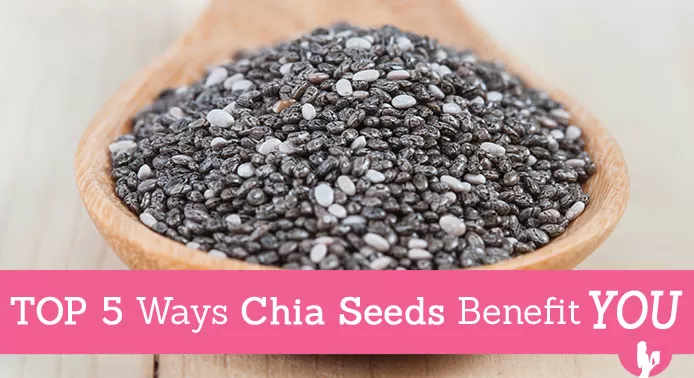
16. Chia
 It might surprise you that these little seeds could pack a real nutritional punch or have any impact on your body’s pH levels, however it turns out that they help with your alkalinity.
Chia has 20% iron, 20% calcium and 10% vitamin A per 100 grams. The great thing about chia seeds is that you can sprinkle them on just about anything.
Consider making a healthy soup from the veggies on this list and then sprinkling some chia seeds in for good measure. You can also make your own energy gel or add them to a smoothie to help tip it to the alkaline side.
17. Chives
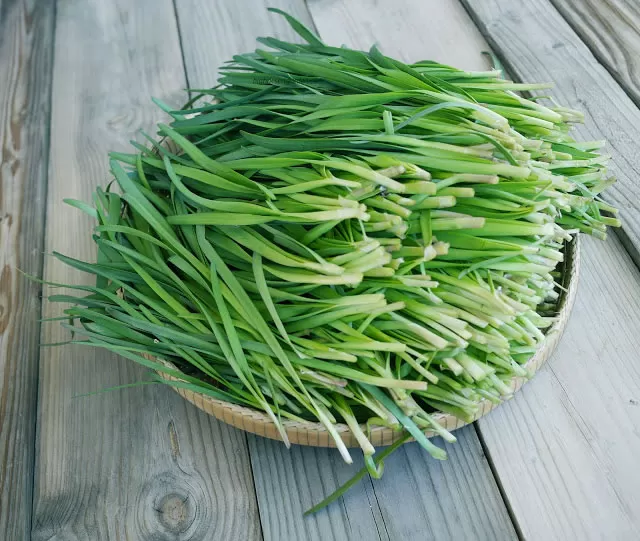 It’s time for you to increase your intake of chives and since they don’t typically find their way onto your plate, you’ll need to look for them.
They can help the body because of their alkaline level, plus they do a good job of flavoring up your meal, so you can easily think of new ways to use them. Preparing them with new potatoes, which also make this alkaline list, can provide you with even more nutritional benefits. Chives contains 3% vitamin A and 3% vitamin C per 100 grams.
18. Cilantro
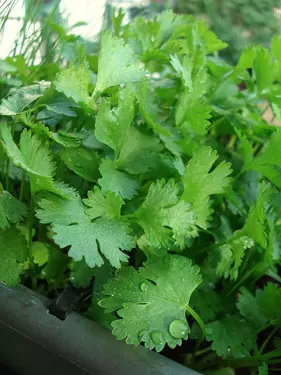 Here is another easy way to add large amounts of flavor to your plate, while also helping to point your body towards being and staying alkaline.
It’s tough to imagine that cilantro can make such a difference. Not only it is alkaline-forming, but it can also help with cholesterol, anemia and digestion. Per 100 g, cilantro provides 1% vitamin C, 1% calcium and 2% iron.
It’s simple enough to use in your cooking and you can even have herb gardens to grow it organically. You don’t have to eat massive amounts of it, since it combines nicely with other foods found on this list of top alkaline foods.
19. Coconut
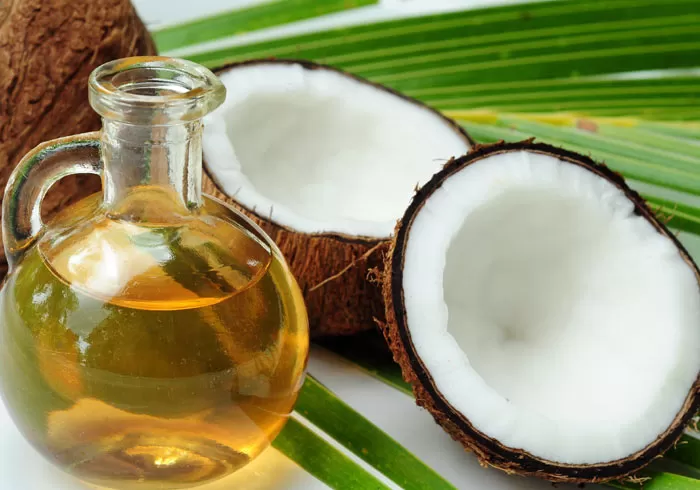
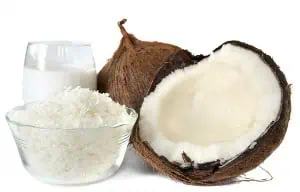 Coconut is such a natural food that it’s no surprise to us that much of what’s inside it is so good for you. The health benefits connected with coconut milk, juice and flesh are all well-documented, you can now add alkalinity to its long list of benefits.
It’s sometimes tricky to think of ways to incorporate coconut into your life, especially since you’ll want to avoid the packaged coconut shavings used in baking. Instead, you’ll want to stick to things like coconut oil and fresh coconut flesh in order to reap the rewards.
Coconut has 11% iron, 4% vitamin C and 1% calcium per 100 g.
20. Collard Greens
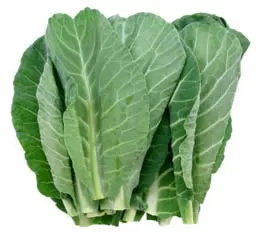 Collard greens have always been a staple soul food, it’s one vegetable you have to get acquainted with if you’re not already. Being a green, it’s swinging major alkaline benefits and on top of that it is one of the top cancer fighting foods, not a coincidence since the two go hand in hand.
Add the whopping level of Vitamin A it contains and a number of other vitamins and nutrients and it’s just begging to be eaten. Per 100 g, collard greens contain 230% vitamin A, 20% vitamin C and 20% calcium.
21. Cucumber
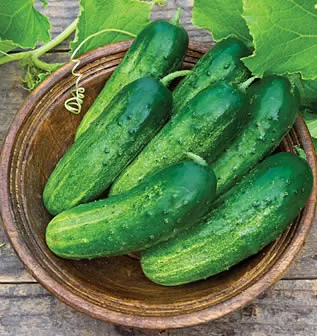 Here’s a big winner that you’ll want to always have in your refrigerator. The cucumber is alkaline and contains an abundance of water, it’s an incredibly hydrating vegetable.
Cucumber contains 2% vitamin C, 1% vitamin A and 1% calcium (per 100 g). Keep the skins on to get the best results. However, if that’s too much for you a good way to split the difference is to just peel strips of the skin off, creating a pinwheel effect. This not only adds a nice presentation, but it also makes it healthier for you.
22. Cumin
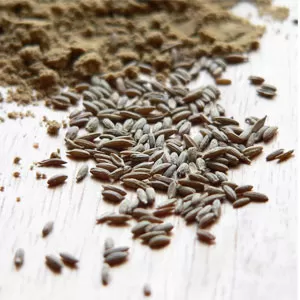 Cumin is among those spices that you either keep in your kitchen, or you don’t, depending on the kind of food you’re used to cooking up. If you already cook with it often, just keep it up.
However, if you’re not very familiar with it, it’s time to include it in your cart the next time you’re out shopping. It’s a spice that can actually help the body neutralize the acidic foods you consume, which means that it’s going to create a doubling effect whenever used in conjunction with vegetables as well as other alkaline foods.
Cumin has 8% iron, 2% calcium and 1% vitamin A per 100 g.
23. Dandelion
 You’re going to just simply have to get over the fact that Dandelion is thought of as a annoying weed in most lawns. The flower as well as the root are both quite nutritious, even though it could take a little bit of effort to start incorporating it into your meals, it’s worth it.
Per 100 g, Dandelion provides 54% vitamin A, 32% vitamin C and 10% calcium. It’s an alkaline food, no doubt, and it also has a detoxifying effect on the body. Another major bonus is that it may help lower blood pressure levels.
24. Eggplant
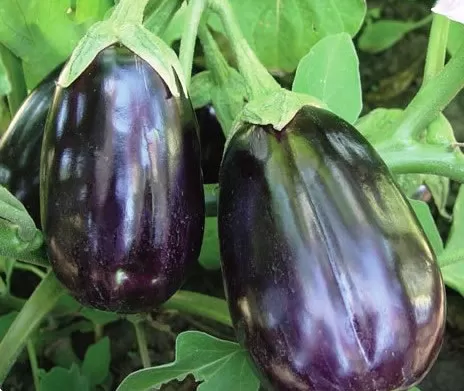 Eggplant is a versatile vegetable to include in your basket each time you’re out veggie shopping. In addition, it provides an alkaline effect, plus it is one of the foods that you can eat as much as you want.
Eggplant is low in calories, it will help to fill you up and keep you feeling full, as well as assist in balancing out some of the acidic foods you eat everyday.
Per 100 g, eggplant contains 3% vitamin C, 1% calcium and 1% iron. And talk about having tons of recipes, it’s one of the more popular vegetables, with side dishes and entree recipes galore.
25. Endive
 Endive makes it on the list due to its high alkaline power. It also provides 11% vitamin A, 3% vitamin C and 1% calcium per 100 grams.
It may be a bit bitter for some palates, while others prefer the taste since it mixes things up from the usual spinach and romaine lettuce. No matter which way you eat it, whether in a salad or blended up in a green smoothie, you’ll be doing your body a favor.
26. Flax Oil & Flax Seeds
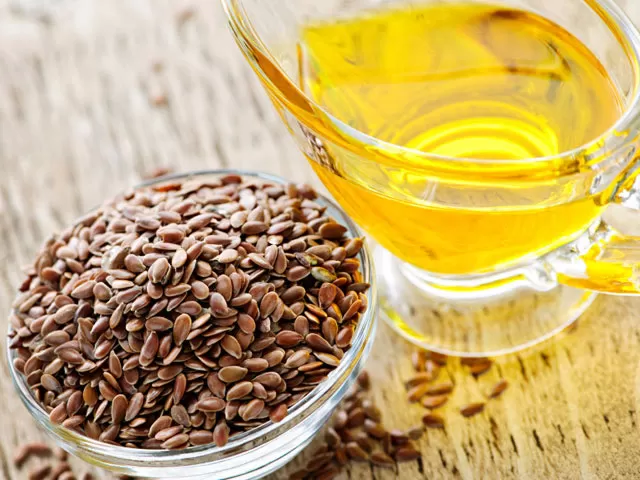 There are lots of benefits to flax, both in seed form as well as in oil form, and one of those benefits is its power to help the body stay alkaline.
Per 100 g, flax seeds provide 46% iron, 37% calcium and 2% vitamin C. The seeds are easy enough to simply sprinkle on pretty much any dish, and since they don’t have much of a flavor of their own, you can add them without the worry of changing the dynamic of your meal.
They also blend easily into smoothies. You can use the oil for cooking, it will help nutritious veggies become even more nutritious.
27. Garlic
 Garlic has always been considered to be a cleansing food, and one that adds flavor to a meal, but it can also help if you’re trying to follow an alkaline diet.
It’s a huge help in fighting cancer, or staving it off and it also helps to lower blood pressure levels. Each clove contains 2% vitamin C. Garlic also helps to detoxify the body, so you’re getting multiple benefits simply by adding more garlic to the mix. Try stir frying alkaline vegetables with a couple of cloves of garlic.
28. Ginger
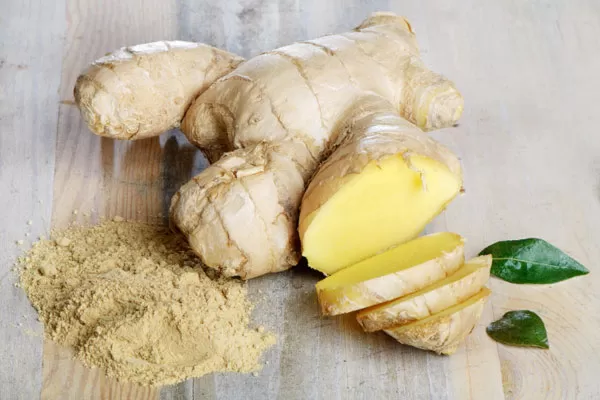 Found in this list of top alkaline foods is ginger, a root that has been gaining popularity as more people are realizing all of its health benefits.
Ginger is a superfood, it has many detoxing properties. It provides 8 mg potassium per tsp. It can be included in a meal and know that it’s helping it to be alkaline for you.
29. Gluten Free Breads
 With the gluten-free trend it’s getting easier to find gluten-free breads in grocery stores, this is a perfect way to get the taste and texture of bread without having it contribute to your acidity.
While they might not be the alkaline powerhouse that cucumbers and spinach are, gluten-free breads are slightly alkaline so they will tip the balance in your favor.
30. Goat’s Milk
 You might have noticed that our list of alkaline foods is lacking dairy products, except for this one.
Goat’s milk is different than cow’s milk and it’s easier-tolerated by most people when compared with cow’s milk. Per 100 g, goat’s milk has 33% calcium, 10% vitamin A and 5% vitamin C. In addition, it reacts differently in the body than cow’s milk does, whereas cow’s milk is acidifying, goat’s milk is slightly alkaline.
So as it won’t make a huge difference in how alkaline you are, you can drink it without worrying about its acidity.
31. Grapefruit
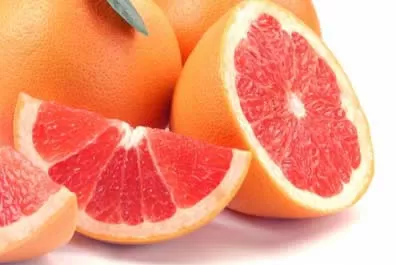 Here’s a superstar food that always shows up all over the place. It’s a superfood that helps you to lose weight by boosting your metabolism, grapefruit has even been dubbed as one of the healthiest foods on Earth.
Half of a grapefruit provides 73% vitamin C, 2% calcium and 1% iron. So what else can this wonderkid do? Turns out it’s also alkaline.
Its low sugar count makes it a fruit you can love, even though it may taste sour and acidic, it has an alkalizing effect on the body when consumed.
32. Green Beans
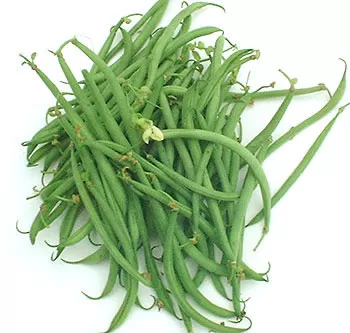 They are among the more popular vegetables, they frequently make the rotation as a side dish for most families. Green beans are alkaline food but also provide a nice list of other benefits, including being high in fiber, vitamin C and potassium.
Per cup, green greens provide 30% vitamin C, 6% iron and 4% calcium. In addition, you’re also getting high amounts of iron and calcium, so there is plenty of reasons to eat them.
They’re super easy to cook and are found in many simple recipes.
33. Herbal Teas
 In order to help you get or stay alkaline you’ll definitely want to avoid drinking regular tea and stick with the herbal varieties.
Black tea has an acidic effect on the body, the same with coffee, so you’ll want to ensure that you’re drinking things like ginger tea or chamomile tea.
Surprisingly, one tea that doesn’t make it on the alkaline list is green tea, since it contains caffeine means it will be acidic for the body. The surprising part is that green tea has so many antioxidants, it is often brought up as a beneficial beverage and cancer fighting agent.
34. Kale
 If you haven’t yet jumped on board the kale train, you need to, it has so many health benefits you’re totally missing out on if you don’t incorporate it into your meals.
Often mentioned in the same sentence as spinach as well as other leafy greens, kale knocks it clear out of the park when it comes to its range of vitamins and minerals.
Consider its substantial supply of vitamin A and vitamin C, then add that you’re getting a calcium top-up, fighting cancer, as well as getting more fiber. Kale provides 206% vitamin A, 134% vitamin C and 9% calcium per cup. This superfood is one force to be reckoned with!
35. Kelp
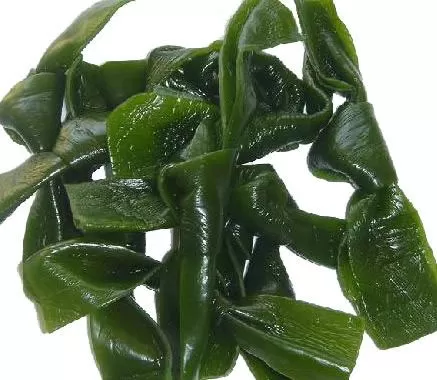 If you’re not currently eating any kelp or taking any kelp supplements, you definitely need to consider starting, this is one of those vegetables that has so much going for it. It helps to detox the body and is a perfect ingredient in a green smoothie.
It also contains a nice combo of vitamins and minerals, and since it comes from the sea, it adds some variety to land-based veggies. Kelp has 15% vitamin C, 17% iron and 7% calcium per 100 g. So basically, you’re helping your alkaline efforts by consuming more kelp.
36. Khorasan Wheat
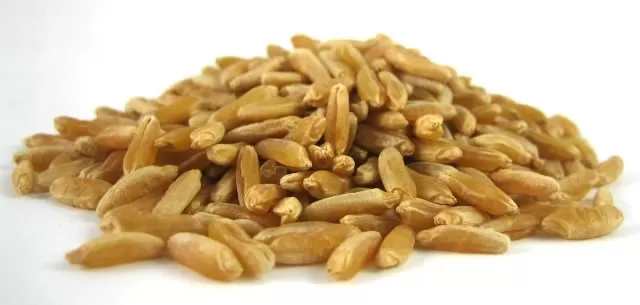 This is one of the few wheat-based items on the alkaline foods list, it actually does have gluten in it. The reason why it makes it onto the list is that it is digested differently than other wheats and it doesn’t produce the same acidifying results.
It also contains more iron and protein than regular wheat, 10% iron and 8 g protein per 68 g, so you’re getting more nutritional benefits, helping to keep you on the alkaline side.
37. Leeks
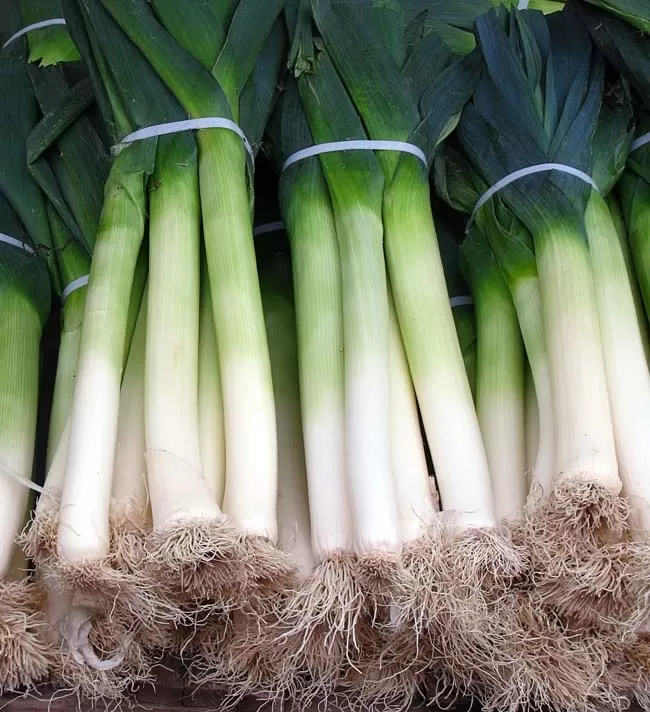 Leeks are mostly used in soups as well as other recipes because they add a bit of an oniony taste without being too overpowering.
You should definitely consider using leeks more frequently because they are an alkaline food, they also possess a nice mix of nutritional value. They rank pretty highly in vitamin C for being a vegetable, so you’ll be helping to boost your immune system and stay healthy. Per cup, leeks contain 30% vitamin A, 18% vitamin C and 10% iron.
While not typically eaten on its own, you can steam it and mix it with other veggies on this list for a good pH boost.
38. Lemon
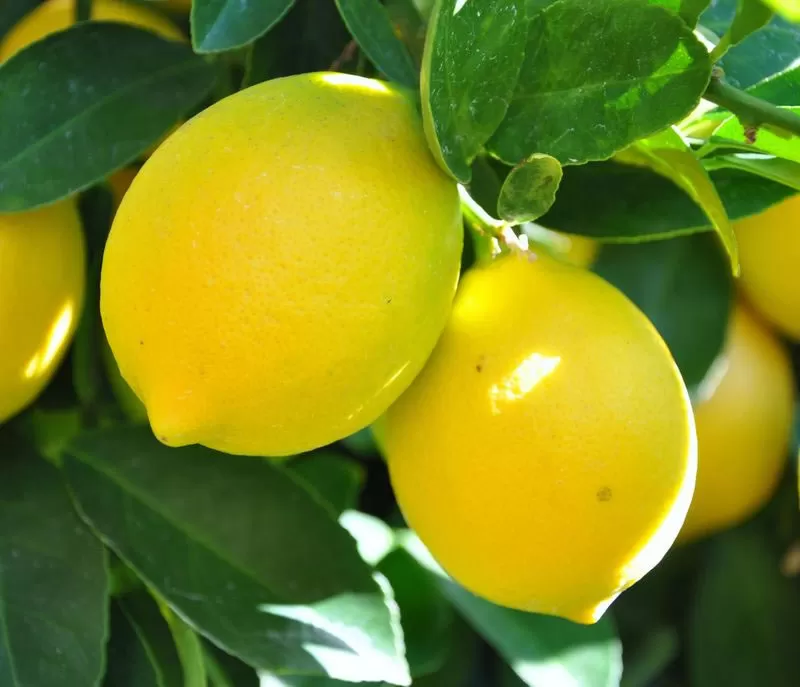 We were surprised to see this make the list of top alkaline foods because our mouths are puckering by just typing the word lemon. It’s so sour and tastes so acidic that many people believe this has to be acid forming.
On the other hand, it produces an alkaline response by the body, and since it’s very low in sugar it’s not going to set you back the way sweet fruits do. It also has a cleansing effect on the digestive system, while it provides a good dose of vitamin C so it’s good to use more of it each day. The body obtains 51% vitamin C, 2% calcium and 2% iron per 100 grams.
39. Lentils
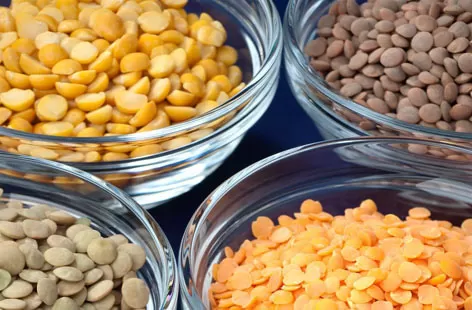 Lentils often tend to be an overlooked food that is gaining a lot more notoriety these days. Not only is it digested slowly by the body and adds to your fiber intake, it is also an alkaline food that adds quite a number of vitamins and minerals.
You’ll get the most benefit by cooking them at home rather than buying them in a can. Lentils provide 80% iron, 14% vitamin C and 11% calcium per cup. Just simply boil them until they’re al dente.
40. Lettuce
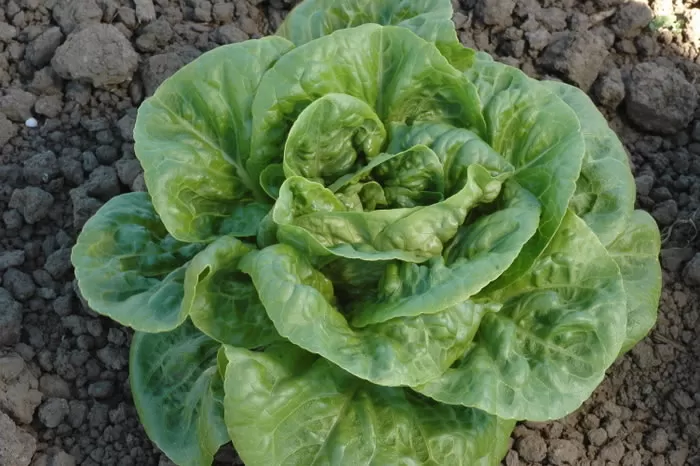 Even though many claim that regular lettuce has no nutritional value, it still produces an alkaline effect on the body, so it isn’t completely useless.
Lettuce has 2% vitamin C, 1% calcium and 1% iron per cup. You’re probably better off with romaine and other varieties that are also alkaline, as well as provide more nutrition into your system.
However the basic idea here is that if you’re eating lettuce of any kind, you’re getting phytonutrients and helping your body get to or stay on the alkaline side of the pH scale.
41. Lima Beans
 Lima beans are a huge source of iron, this is why they’re popular for vegetarians and vegans. They also pack a good amount of vitamin C, providing more than half of what you need daily without having to eat citrus fruits like oranges.
Per 100 grams, lima beans contain 61% vitamin C, 27% iron and 5% calcium. Another nice benefit is that once eaten, they’re alkaline-forming, so they will act to counter other acidic foods, or help you stay grounded on the alkaline column.
42. Lime
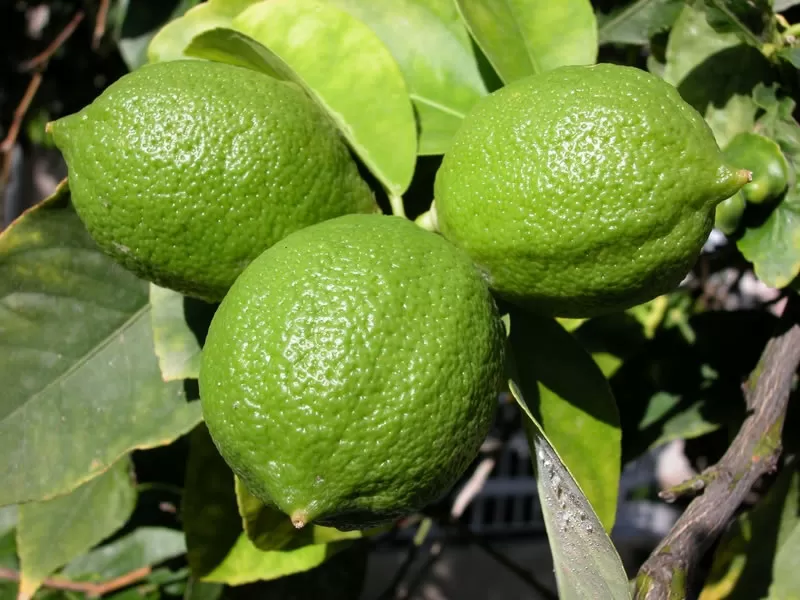 Because of their sharp acidic taste from the citric acid, limes are often thought of as being acid-forming, just like their lemon counterparts.
However, they move the pH level up when consumed, so it’s smart to start using more limes to dress up your foods or just add a slice to a glass of water. The body obtains 32% vitamin C, 2% calcium and 2% iron per lime. It is usually hard to eat limes the way you’d eat an orange! The best way to consume it is to use it as an ingredient in other dishes. You can also infuse some of your cooking with the flavor of lime.
43. Millet
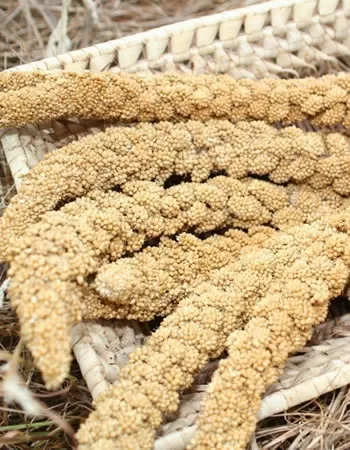 Millet is a grain that doesn’t contain gluten so it’s a popular choice for those following a gluten-free diet. The main reason why it’s so popular is that it’s super easy to use as an alternative for wheat, you can make breads and use it in other recipes that call for wheat.
Unlike wheat it’s a natural supply of both iron and protein, for intense, millet provides 33% iron, 2% calcium and 22 g protein per cup. So basically, you’re getting a better bang for your buck, while helping your body to stay off the acidic side of the pH scale.
44. Mint
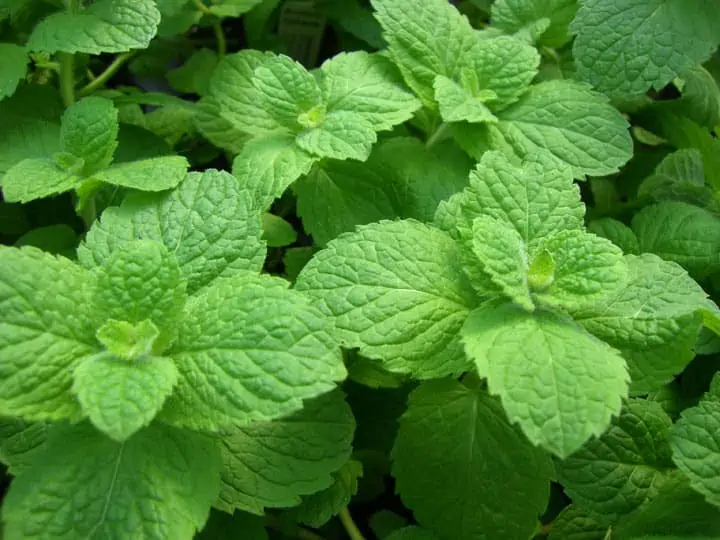 Fresh mint is a perfect way to add a distinctive flavor to your dish while bringing with it certain nutritional benefits as part of the list of alkaline forming foods.
When considering the different herbs and spices that you can use in your cooking, it’s always beneficial to choose those that contribute to the alkaline as opposed to being acid-forming. Mint provides 3% vitamin A, 2% vitamin C and 1% calcium per 100 grams.
Try including a mint leaf or two to your smoothie for the special aroma, it gives it that fresh taste that even leaves your breath smelling better afterward!
45. Mung Beans
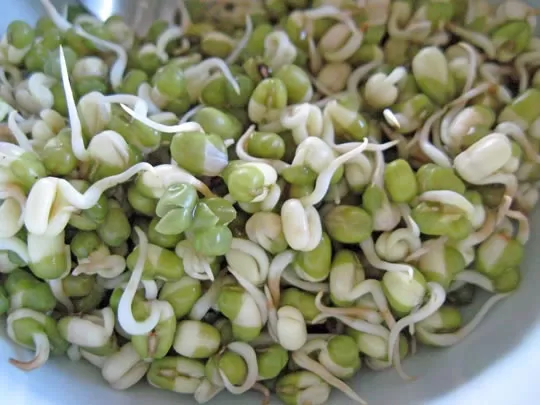 Mung beans are linked to lowering cholesterol, fighting certain types of cancer and helping to prevent or manage diabetes. They’re in addition an alkaline forming food in your body. You can turn to mung beans regularly to create a plateful of alkaline foods.
They also provide a good source of the antioxidant vitamin C, which has been proven to help strengthen the immune system. In addition, vegetarians can use them as a natural source of iron. Per cup, mung beans have 23% vitamin C, 5% iron and 1% calcium.
46. Mustard Greens
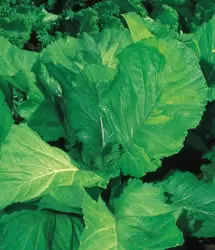 Leafy greens are all over our list of alkaline foods, however you may not have tried mustard greens before. You really should, because as research shows they have lots of antioxidants and also possess anti-cancer properties.
They also help detox the body and help maintain a healthy heart. The fiber they contain is an added bonus, which can help encourage weight loss, keeping you more healthy overall. Mustard greens provide 118% vitamin A, 65% vitamin C and 5% iron per 100 g.
47. Navy Beans
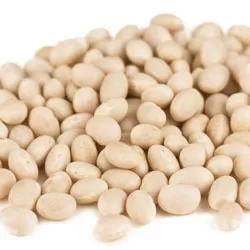 Navy beans along with other white beans make the list since they’re well utilized by the body and are on the alkaline side of the equation.
They have a remarkable amount of iron! They possess a decent amount of fiber and are a low-glycemic food, helping prevent spikes in blood glucose levels. Navy beans contain 117% iron, 48% calcium and 47% protein per cup.
They are also a very versatile food and turn up in several recipes either as side dishes or mixed with other ingredients in a vegetarian main course.
48. New Potatoes
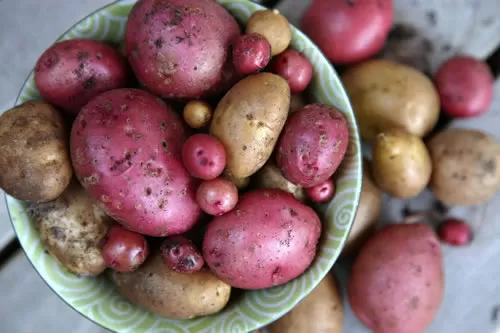 If you’re unfamiliar with buying new potatoes, you simply need to look a bit closer at the descriptions. They’ll cost you a bit more than regular potatoes but it’s so worth it for the alkaline benefits.
It really just means that they were picked prematurely. In addition to tasting better, they also keep the body alkaline or help it to get there by not being an acid forming food. Per 300 grams, new potatoes have 63% vitamin C, 12% iron and 3% calcium.
Give them a go and you’ll see just how delicious alkaline eating can really be. Add chives on top for even more flavor and alkalinity.
49. Okra
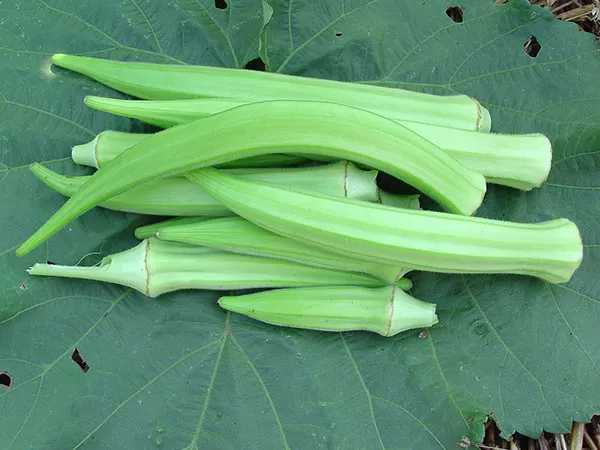 Okra gets a lot of talk among health food circles because of its unique combination of vitamins and minerals!
It’s also included in the family of foods that are alkaline. You can pretty much eat it to your heart’s content since it will only help your body stay or get alkaline. Okra provides 35% vitamin C, 8% vitamin A and 8% calcium per cup.
The only issue you might have is if you’re not familiar with ways to prepare it, but it’s worth getting up to speed and eating more okra.
50. Olive Oil
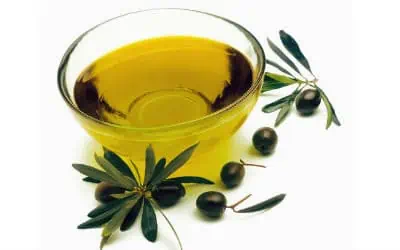 We all know that olive oil is among the healthiest oils to consume, you can add being an alkaline food to the list.
This is one oil that can be drizzled over a salad, preferably one made with as many alkaline vegetables as possible, or simply use in your cooking for extra health benefits. It’s great for weight loss while helping your body detox.
Olive oil contains 1.4 grams of monounsaturated fat and 9.8 grams of polyunsaturated fat per tbsp. You can even include it in your green smoothie for added thickness and consistency. It’s a great oil to keep on hand so you can use it whenever you can.
51. Onion
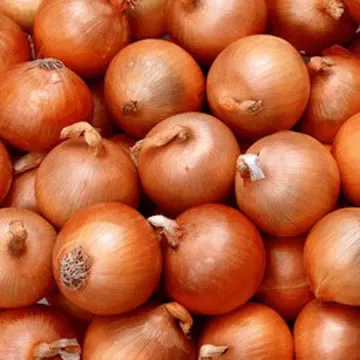 Onions are an alkaline food that you’re probably already eating on a regular basis. Just make sure that you’re eating them together with other alkaline-forming foods and not as toppings for burgers and hot dogs.
You can sauté them in olive oil and you’ll increase the alkalinity even more… but don’t overcook them. You will obtain 17% vitamin C, 4% calcium and 2% iron per cup. Onions are a standard in many recipes. Be sure you’re using fresh onions in order to get the most benefit from them.
52. Parsley
 Here’s a way to add to your plate’s presentation, while also helping to keep your body alkaline. This popular, little green herb is often found as a garnish next to steaks. But you’ll probably want to start using it to adorn more of your veggie-ful plates.
Blender Babes recommend to add it to your smoothie so you will end up with a fresher-tasting result, along with more vitamins and minerals than without it. Parsley provides 8% vitamin C, 6% vitamin A and 1% iron per tbsp. The good thing about parsley is that you can grow your own pretty easily at home so you always have it on hand.
53. Peas
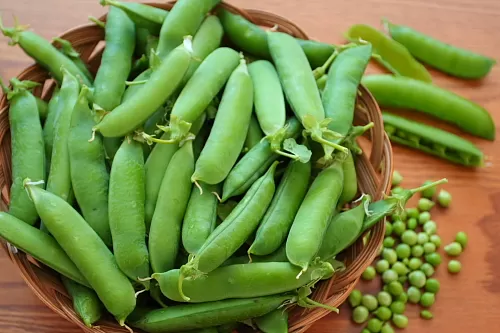 Peas are at the top of the list for side dish of the year, what makes them even better is that they’re an alkaline food. You will obtain 97% vitamin C, 22% vitamin A and 12% iron per cup of peas.
Peas usually hold their own in flavor and don’t really need anything special added to them. Try to skip the butter, which will only add an acidic food to this veggie side dish. Unbuttered peas are tasty, so give it a try if you haven’t. You’ll be cutting back on fat and calories!
54. Peppers
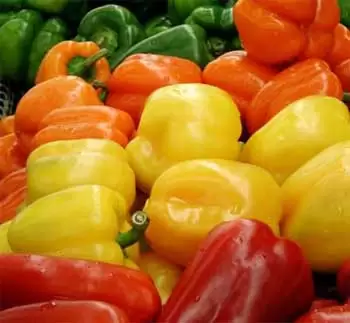 Whichever color you prefer, you’ll be helping yourself stay alkaline. Red, yellow and green peppers alike keep your pH levels up.
They’re super easy to cook with and taste best fresh. If you cook them, they stir fry up perfectly with onions and garlic in just a splash of olive oil. Of course like many of the products found on this list of top alkaline foods, they have numerous health benefits. They are also a great source of vitamin C and vitamin A. Green peppers provide 200% vitamin C, 11% vitamin A and 3% iron per cup.
55. Pomegranate
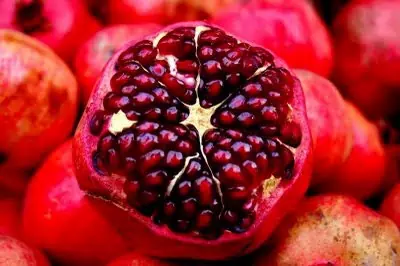 Maybe you’ve heard a little about the latest trend in drinking pomegranate juice, it turns out this is a fruit that you don’t have to worry about it being acid-forming.
It contains a great amount of potassium and it’s also a good source of vitamin C. Each pomegranate provides 16% vitamin C, 3% iron and 400 mg potassium. It’s a great ingredient for a smoothie or as an on the go snack.
If you drink the juice just be sure that there isn’t any sugar added and that it isn’t mixed with high sugar fruits, or the alkalinity could be lost.
56. Pumpkin & Pumpkin Seeds
 Pumpkin isn’t just for Halloween parties and holiday pumpkin pies. This is a yummy vegetable that can be cooked up all year long to reap the health benefits from it, including its alkaline nature.
An even better part is that the seeds can also be used as a snack because they too are alkaline. If you’re still not convinced that you should start eating more pumpkin, just check out the remarkable amount of vitamin A it contains! Per cup, pumpkin provides 171% vitamin A, 17% vitamin C and 2% iron.
57. Quinoa
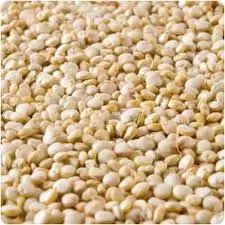 Quinoa is getting more and more mainstream attention as one of the healthiest foods you probably aren’t eating, but if you already are, then two thumbs up for you!
It is so versatile as well as easy to use. It has more vitamins and minerals than most other grains out there. It’s a seed and it’s also gluten-free. Per cup, quinoa provides 87% iron, 10% calcium and 22 g protein.
It isn’t overly alkaline, but just enough so that you aren’t taking a step back toward acidity, but instead taking a small step toward alkalinity. Next time you’re at the grocery store, grab yourself some quinoa and find some yummy recipes.
58. Radish
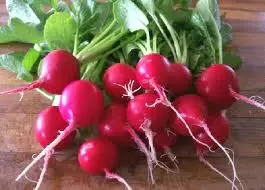 You can’t go wrong with radishes! They have been shown to help fight cancer along with improving your digestive health and preventing heart disease. They possess a detoxifying effect on your body and can help regulate blood pressure as well as blood glucose levels.
Radishes provide 29% vitamin C, 3% calcium and 2% iron per cup. Now add the fact that they help keep your body alkaline. If you’re not big on the taste, there are plenty of ways to cook them up, including the option to add alkaline herbs to them to change the taste of your meal.
59. Red Beans
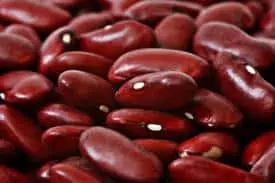 More commonly known as kidney beans, the various types of red beans are all considered to be alkaline and definitely deserve a place on your plate. Even better, they’re also just a simple healthy food for you!
They boost iron levels, provide a good amount of calcium and are a great source of vitamin C. Their fiber levels aid in digestion and boost weight loss efforts. Red beans contain 14% vitamin C, 15% calcium and 68% iron per cup. They’re an amazing food to include in your diet.
60. Rhubarb
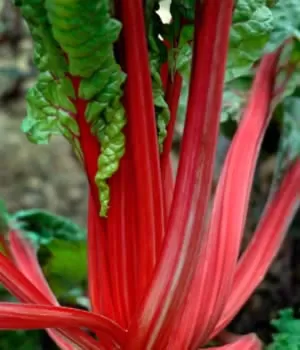 Rhubarb may be a food that is difficult to add to your regular diet because while it may appear to be a vegetable, it’s actually a fruit. It’s one of the few fruits that are on the list of alkaline foods. It might look like a bizarre form of celery and it’s tartness is probably a little much for some. But if you find the right recipe and a great way to prepare it, you should be good to go.
The amounts of calcium it possesses along with other antioxidants makes it worth getting to know better. Per cut, rhubarb provides 16% vitamin C, 2% vitamin A and 10% calcium.
61. Sesame Seeds
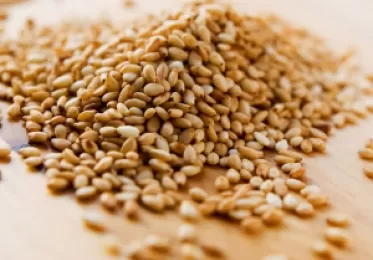 It doesn’t really count if your sesame seed intake comes from a sesame seed bun on a burger. They aren’t so alkalizing as to offset a large block of acid-forming foods.
You can sprinkle them onto a salad made with alkaline veggies. You can also add them to your blender while blending up a green smoothie.
Just take a peek at the amount of iron these little ones contain along with a significant source of protein from such a small seed. Sesame seeds contain 65% iron, 20% calcium and 25 g protein per cup.
62. Soybeans
 Are you wondering why soybeans are considered to be so healthy? One good reason is that they’re an alkaline-forming food. They’ve also been a pretty big deal in vegetarian circles for quite awhile because they’re a good non-meat source of iron.
Additionally, they provide a non-dairy supply of calcium, they’re something that you’ll definitely need to include in your diet if you plan to cut back on meat and cut out the dairy to stay alkaline. Per cup, soybeans have 19% vitamin C, 52% calcium and 162% iron.
63. Spinach
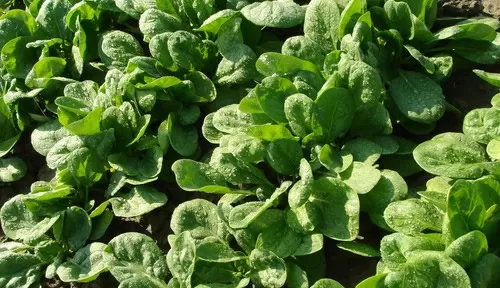 Here is an alkaline giant that we’re sure you’re probably without a doubt very familiar with.
Spinach is the most well-known leafy green for its health benefits.
Spinach contains 14% vitamin C, 56% vitamin A and 4% iron per cup. No matter what form you eat it in, you’ll be helping your body go alkaline.
One of the best ways is to buy baby spinach to use as a base for a yummy salad. Since there are so many alkalizing vegetables to include, it’s super easy to create a salad that will send your pH levels rising.
64. Sprouts
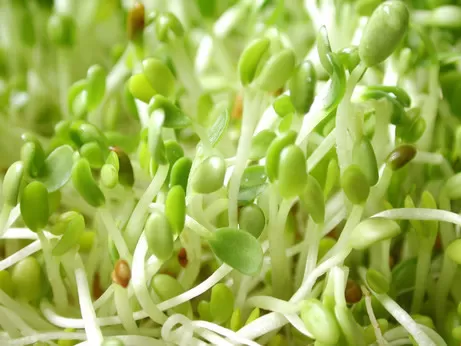 It’s a challenge to come up with a side dish out of just sprouts, let alone a meal, but they’re a perfect sidekick to other veggies, they’re great in a stir fry and they blend very easily.
You do not want to miss out on their alkalizing benefit, as well as all the nutrients, enzymes and protein they also provide. Per cup, sprouts contain 10% vitamin C, 1% calcium and 3% iron. One great feature is that their easy to find, typically found in most grocery stores and supermarkets.
65. Squash
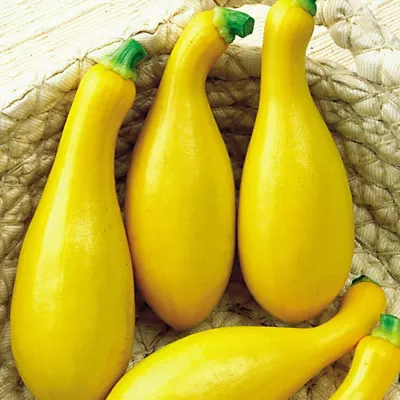 Each variety of squash possesses its own unique combo of nutrients and health benefits, but the one thing they all have in common is that they play a role in your body’s alkaline state.
Squash makes excellent side dishes, there are even many vegetarian recipes out there that can teach you how to turn squash into your main course, with other vegetables standing in as side dishes. It contains loads of vitamin A and vitamin C. For instance, a cup of butternut provides 298% vitamin A, 49% vitamin C and 7% calcium.
66. Sunflower Seeds
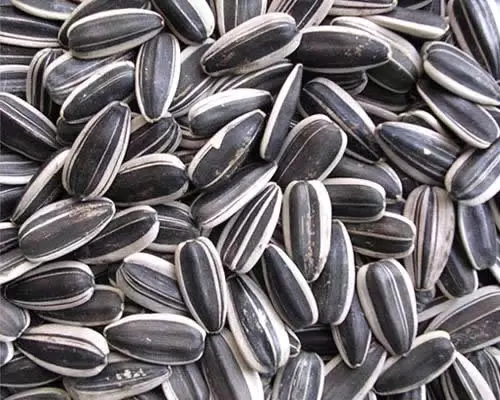 Whenever you eat sunflower seeds, make sure that you aren’t buying the ones that are dry roasted and have a lot of added salt. By doing this, you’ll be ensuring that you are getting the benefits of this naturally alkaline food, minus all the additives that lead to increased sodium levels as well as higher fat levels.
Sunflower seeds can be a source for healthy fats. It also provides protein and iron, which is important if you plan on cutting back on acid-forming meats. Shelled sunflower seeds contain 1% vitamin C, 11% iron and 6 g protein per ounce.
67. Sweet Potato
 Most people mistakenly believe that starchy foods are acid forming, which is why they’re surprised to find sweet potatoes as well as new potatoes on this list. The body’s breakdown of food after consumption determines whether it forms acid or alkaline substances.
Sweet potato is alkaline. In addition to their great taste you will get all its benefits including a significant amount of fiber and a good dose of vitamin A, a powerful antioxidant. Sweet potatoes provide 369% vitamin A, 5% vitamin C, 4% calcium and 4% iron per 100 grams.
68. Swiss Chard
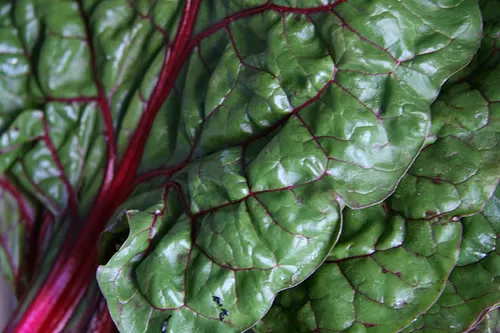 Now here’s a leafy green that has been flying under the radar for a very long time, but is also alkalizing like it’s other leafy relatives. Maybe you’ve had Swiss Chard in a mixed greens salad at a restaurant? Maybe you’ve tried it before at home?
It has a distinctive, bitter taste, one that might not be appealing to you at first but one that you might actually crave after trying it a few times. Also, it plays well with other greens like spinach and kale to mix things up! Swiss Chard contains 18% vitamin C, 4% iron and 2% calcium per 100 g.
69. Thyme
 Thyme is an excellent spice to incorporate in your cooking because it’s alkaline forming and it also has its very own list of additional benefits.
In some cultures, this is the primary seasoning used in their dishes. One benefit of thyme is that it helps out the respiratory system. It is also consider a super-spice, with antioxidants and plenty of nutrients for such a small herb. Thyme has 2% vitamin C, 1% vitamin A and 1% iron per tsp.
70. Tofu
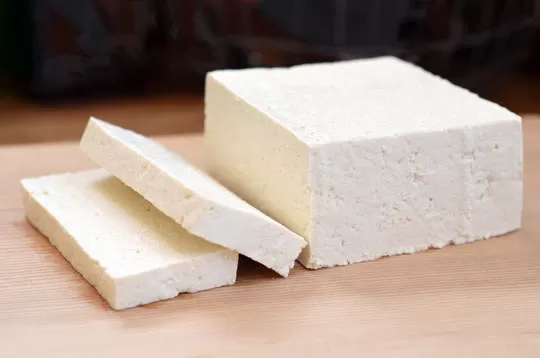 Tofu has been used by vegetarians as a meat replacement for years and years now, and as it turns out, they may have unintentionally been helping their bodies in creating an alkaline state. This might account for the noted health benefits of following a vegetarian lifestyle! Because this involves replacing acid forming meats with alkaline forming foods, such as tofu and veggies.
Tofu contains 3% calcium, 5% iron and 5 g protein per slice. Don’t worry, you won’t have to go completely vegetarian to get the same benefits. Many alkaline diet plans allow you to consume some acidic foods daily.
71. Tomato
 We’re wondering what can’t tomatoes do? Tomatoes contain lots of lycopene as well as antioxidants. They improve heart health helping us all to live long and happy lives.
In addition to all that, they’re an alkaline forming food! That’s just one more reason to start eating more tomatoes. A medium sized tomato provides 26% vitamin C, 1% calcium and 2% iron.
You might think tomato is acidic since it triggers the same sour taste buds as a lemon does, but it’s not acid forming. It actually helps to raise your body’s overall pH.
72. Watercress
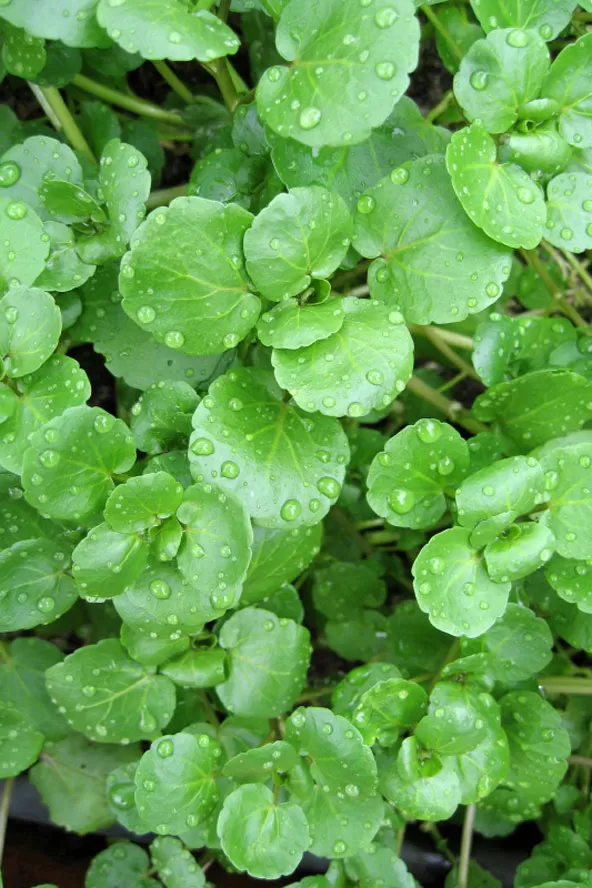 Here’s yet one more leafy green that can help to keep your body alkaline. As a bonus, Watercress contains plenty of other vitamins and you get a vast coverage for all your nutritional needs.
It has its own unique flavor that you may prefer over some of its cousins but it ranks pretty highly on the alkaline scale with regards to the impact it has on your body. Per cup, watercress provides 32% vitamin A, 24% vitamin C and 4 % calcium per cup. Watercress has even demonstrated the ability to help repair damage to DNA. This can be a huge help in preventing and reversing cancer.
73. Wheatgrass
 Wheatgrass has experienced a lot of popularity in the past several years as green smoothie consumption has increased but it’s been something that “health nuts” have been aware of for quite some time.
It’s a very powerful source of alkalinity for the body. Often you can conveniently find it in supplemental form, you can easily mix it with water and drink it. Some people shoot back a daily glass of wheatgrass juice as a form of insurance that their bodies are getting enough alkaline forming food. Per 3 g, wheatgrass provides 44% iron, 30% vitamin A and 12% vitamin C.
74. Zucchini
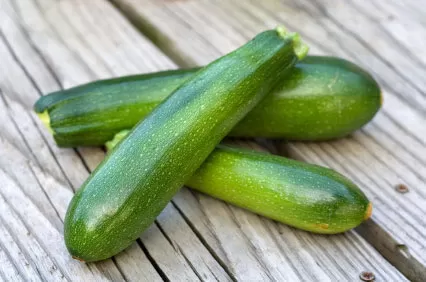 Here is one vegetable that’s conveniently available at nearly all grocery stores, which makes it super easy to start using it as part of a thorough approach to help your body stay alkaline.
Zucchini contains 35% vitamin C, 5 % vitamin A and 2 % iron per cup. There are so many zucchini recipes available, but steaming and eating them by themselves is the way to get the most benefit. It helps to lower cholesterol levels and for men it’s good for the prevention of prostate cancer.
Maintaining a healthy diet is key for a long, healthy life.
We hope this list of alkaline foods provides you with the knowledge you need. It will help you start and maintain an alkaline base for your overall diet. Start incorporating foods that provide your body with necessary vitamins and nutrients into your recipes. Your meals will not only be delicious but also full of beautiful, colorful nutrition!





Was told I had high acid level. What can I do now?
Hello Obioha! You will want to focus on increasing your intake of fruits and vegetables, and as many things from this list of alkaline foods to start! Also avoiding caffeine and alcohol as much as possible. Also try eating smaller meals!
If you would like to discuss how you can live healthier, feel free to schedule a free health consult here.
I hope that helps!
Tarashaun
Very informative. Thank you.I will start trying the ones I can lay my hands on.
10. Brussels Sprouts … “Time to get PAST it” and not passed.
Great article, very helpful.
Great catch thank you! I have fixed it 🙂 Enjoy the best alkaline foods as much as you can! ~Tarashaun
Merry Christmas and yes I wrote a whole lot of info down. Thank you for paying attention to detail with the Green Lima Bean and others. Betsy
Thank you! I like it that you put the foods in a list format. Helpful.
You’re so welcome! 🙂
Nice article 🙂
I just love all the info, as I also suffer with high alkaline, very helpful for my diet, although I eat almonds, beet, spinach, Zucchini, broccoli, Tomatoes, sweet potato, sun flour seeds, lettuce, cucumber, celery, carrots, asparagus, Olive oil, Avo’s, broccoli, nearly every day. I had breast cancer October 2012, had all my blood tests this week, scans and xrays. Very blessed, my blood count came down and all other tests clear. Love to eat healthy and my husband also eats healthy, had colon cancer 13 years ago, wears a stoma bag, but cancer free! Thank you for this info, just love to know and learn more every day
great list to have handy
broccoli, beans, asparagus, lemon, lime – so many